The Overwhelming Smells of the Holidays
In “Holidays Autism Style“, we talked in general about some of the basics like who, when, where, etc. and even had some general tips to help you out.
We followed that with, “Holidays Autism Style – Part 2“. There we reminded everyone of the bright lights, either direct or reflected.
So I felt it was only appropriate to hit on the smells during the holidays in, “Holidays Autism Style – Part 3”.
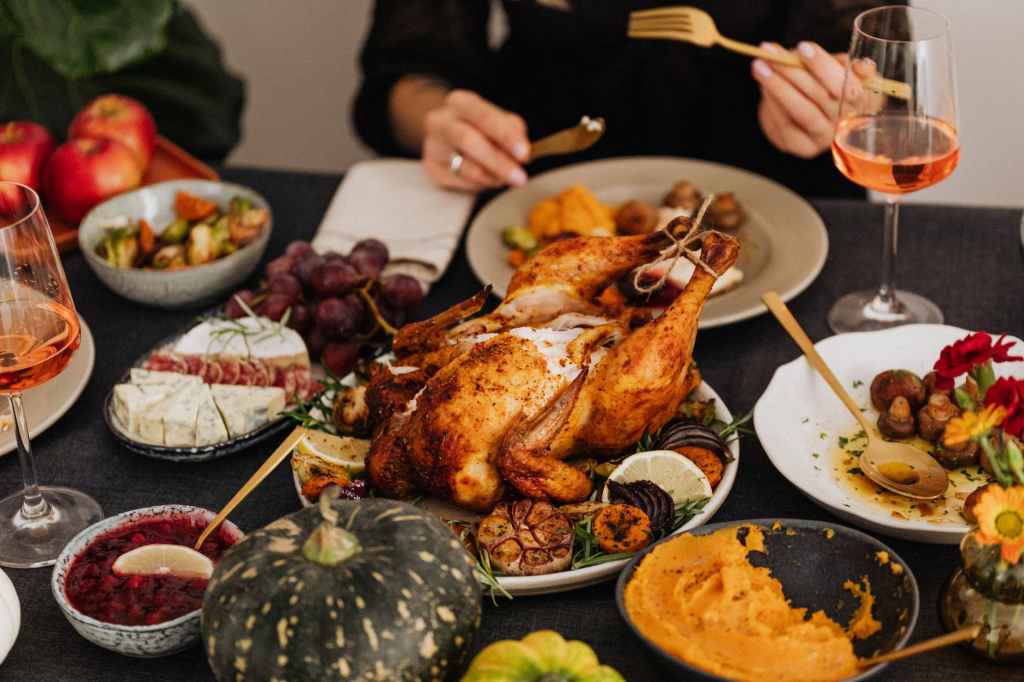
Holidays, next to going out to a restaurant, are probably the worst time of year to be overwhelmed by smells.
Here’s a short list of some of the more commonly associated smells during the holidays:
- Pine, spruce, any evergreens for trees, wreaths, garlands, and center pieces
- Orange, lemon, lime, apple, cranberry, cherry, raisins
- Cloves, cinnamon, nutmeg, cardamom, peppermint, chocolate, vanilla, rosemary, marshmallow, brown sugar
- Eggnog, cider, coffee, hot chocolate, alcoholic drinks, punch, tea, wine
- Cookies, bars, pies, cakes of all flavors and scents, gingerbread, icing, fresh baked bread/buns
- Turkey, ham, potatoes, yam, cranberry sauce, squash, corn, green beans
- Fresh fallen snow or rain, wet clothes from playing in the snow,
- Fireplace, roasting chestnuts
Oh, and let’s not forget to include the smokers smell.

Advice – if you’re not smokers, consider making sure your coat, or child’s coat, is not in the same pile of the smokers’ coats or hanging next to theirs. From experience, this is a major thing we do every time we visit as long as we have control over the placement.
In a north central state of the United States, we probably have different smells than those of the southern, eastern or western states. Every country has unique smells in which they are accustomed.
So why are ‘smells’ a big thing at the holidays?
Autistic people and anyone with sensory processing disorders struggle with SENSORY issues. Smell is still one of the five senses.
When our ASD and SPD children and family members are overwhelmed by smells, they typically respond much differently than the average person. From getting nauseated or vomiting to running away, the response is as unique as each individual.
Oh yeah, what about this one?

PERFUME! COLOGNE! Aftershave too. Ya don’t even have to have sensory issues or a diagnoses to know how these smells can affect you.
YOU are the expert on your child or family member!
I work hard to be an expert on my autistic son and almost daily discover that I have a long way to go. Just when I think I have it figured out, somehow he changes how he handles situations. Good and/or bad.
Keep in mind that your special needs family member will succeed much more readily if you grant them grace.
Give them the option to sit away from all the smells of the meal table.
They may even do much better if you allow them to sit in another room, away from others. “Alone!” Don’t worry. Remember, we mentioned ‘senses’. They can still hear all that is going on. But you will be setting them up for successful eating if you allow them space to partake in the meal. This may also help them to just focus on the smells of their plate and not everyone around them.
We still fill our son’s plate. Even as a young teen. He can quickly get overwhelmed with the smells in the kitchen, especially on top of the noise and closeness of people. We let him know what’s available and ask him what he’d like.
We’ve learned to NOT put a little of everything on his plate. Just having something undesirable, for sight or smell, can affect how he sees and smells other items.
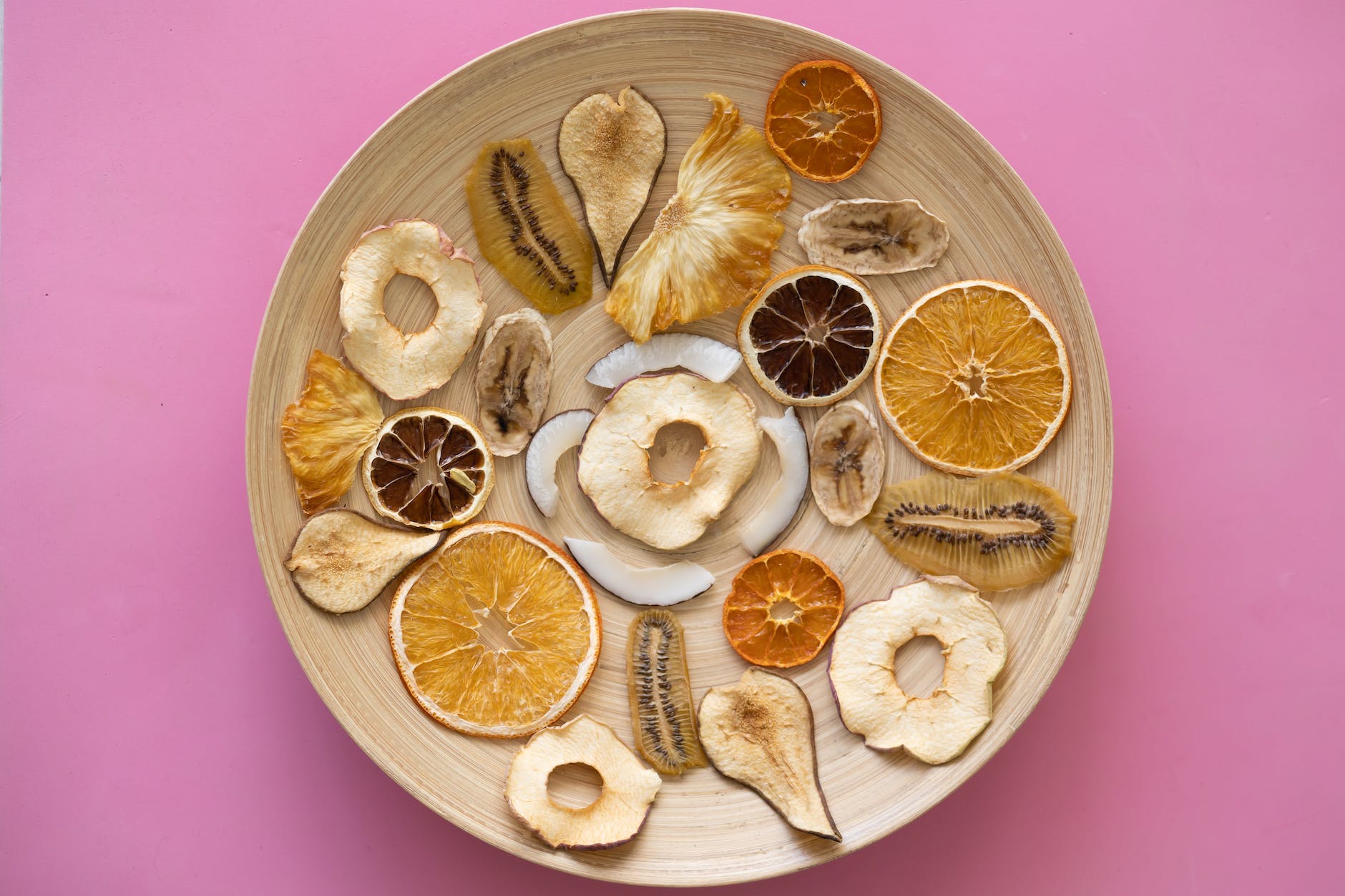
Our minds work through our sight to also give us a clue on what the texture of food might be. You may think they should be able to eat something but their brain may be telling them that item or pile is not going to feel good in their mouth.
Smells for edible, non-edible, and age appropriate things abound during the holidays. WE know that. They know that. That’s why they’re struggling more than normal.
So why do we expect our children to have it together? The mentality of them needing to be perfect “today” doesn’t make sense when a good portion of their yesterdays weren’t “perfect”.
If you know from past experience that they struggle with different foods, take something along that they will eat. It’s always better to have some kind of food in the tummy rather than nothing.
Do they have a smell that they really like? Grab some lip balm, a treat, an essential oil, or even a fluffy animal or blanket that has a scent they like. They can carry this item with them to help ground their senses.
Relatives?
Caring ones will understand the take on “something is better than nothing”. They will also be the ones who are just glad you all came.
Annoying people or know-it-alls. Well, I’m guessing they are like that about everything. They always know more, know better, have the best things you should do or try. Sometimes, they’ll even be bold enough to offer to “fix” your kid for you. These people have NO clue. They are not worth your energy or time. Yes, we’ve experienced this ourselves. And, unfortunately, I wasted time thinking that maybe they did know better.
It all boils down to what your child or family member needs.
When you get insight into your child and their needs, that is gold. You were chosen to be their parent or caregiver. You can do this. You, with their help, can determine what you can or are willing to try to endure during the holidays.


 Getting My Joy Back