When, Where, Who, How, and How Long

Oh, all the things the holiday season can bring. Now-a-days it starts right around Halloween.
Now we’re heading into pre-Black Friday, Thanksgiving, Black Friday Weekend, Christmas, and New Years.
The “masks” get put on by most everyone. We’ve gotta set a good impression with family, friends, and rarely seen relatives. Everyone wants to show that they’ve got it together and are successful. Travel here, travel there, pack it all in.
For whom? Why? Who says you have to? Keeping up with the ‘jones’? If you’re an adult, you get to choose.
We’ve made necessary changes in recent years. We can thank covid-19 for helping us see things more clearly.
PEACE!
I encourage you to do what is best for your family and especially your autistic family member. You don’t need to force them to endure multiple people, large crowds, tons of noise, quick actions, singing, drinking, extremely irritating bright twinkling lights, sitting on Santa’s lap, and holiday shopping. It can be hard enough on children just enduring all the different smells of the season.
It’s not just one holiday with a decent break before another. From October 31, to December 31, there are FOUR holidays! In two months, we experience Halloween, Thanksgiving, Christmas, and New Year’s.
That doesn’t include other religious holidays like Hanukkah. Or other gatherings like church events, school parties and programs, and community events like light shows, tours, or caroling. School atmosphere changes. Long holiday school breaks. Eating habits are out the window. Let’s not forget that many deal with two sides of the family that are begging or demanding that you attend. And then you also might have that intimate family gathering for just your household peeps.
Crazy what we feel we have to pack into two months!

Some tips for the holiday season:
- Decide “why” you’re doing what you’re doing
- Preparation – some autistic children can handle this and for some there is just too much anxiety associated with knowing what’s coming. Maybe wait until a day or two before.
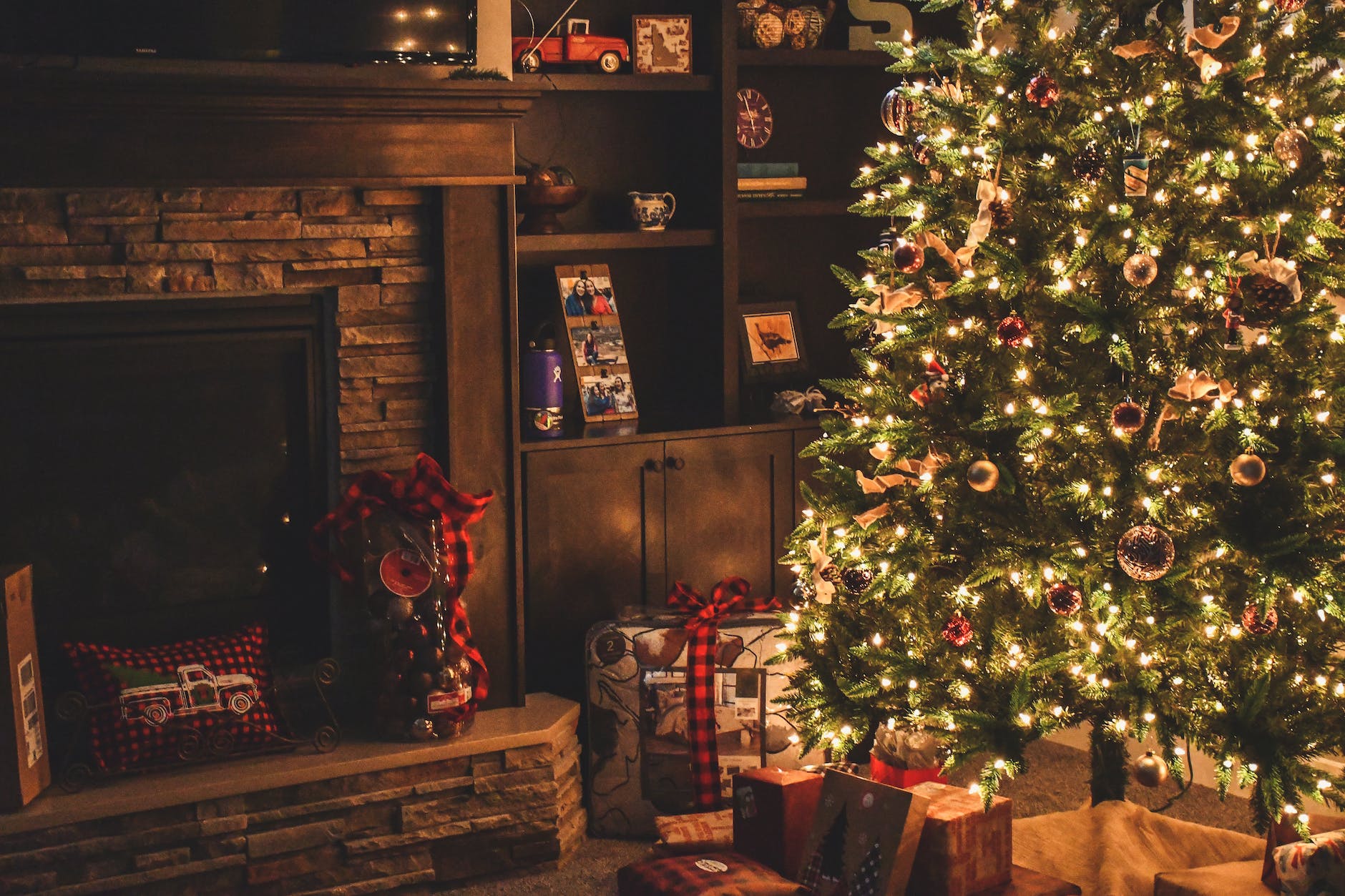
- Decorations and lighting – if your child struggles with the lights and/or the reflections off all the shiny decorations, maybe choose to create your own paper decorations and have momentos for future years. Every year, add a new handmade decoration to the collection.
- Some may recommend taking the child with you shopping for decorations. In that, is how we learned it didn’t matter. Bright was bright, store and at home.
- Gradually decorate your home. For some, this is a long process. You get it all officially up, just to begin taking it down and sometimes need to do that gradually as well.
- Changing or limiting what you decorate can also be an option.
- Don’t keep your child’s hope up that they might get the gift they’ve asked for when you do not intend to get it for them.
- It does not help either to pass the responsibility of not coming through on a gift to Santa. Many times parents don’t want to be truthful because they don’t want to hurt their child’s feelings. So, in the spirit of Christmas and “Santa”, they advise their children, “well, maybe you should ask Santa for that”.
- If it’s due to finances, there is no disgrace in explaining that what they desire is just too much this year. You have a great opportunity to educate through this. They can’t have everything they want, when they want. They’ll appreciate the gift even more when they do receive it.
- If it’s due to age or developmental age, just be honest with them and tell them you don’t feel that it’s an appropriate gift at this time. You can agree that it would be really cool and still get the point across that they are not ready for it yet.
- Visitors and being a visitor – let your child have a safe place where they can escape all the noise and people. Even if it’s just a couple extra people. One more person adds an entirely new dynamic for your child to handle.
- It’s also helpful to make a plan ahead of time. A dedicated space for them that everyone attending can honor.
- You also can make the decision to leave. If you’ve been emotionally forced into attending, decide ahead of time that you have a set time to leave or that you leave when your child has hit their limit. Hey, you showed up, Right?
- If it’s your turn to host and you know that it’s going to be more detrimental to you and your child than good, opt out of hosting. Sometimes, it is just easier to alleviate stress in anyway we actually have control over. This then allows you to attend and leave at your will. It’s too hard to kick people out when they’re in your home.
- Travel – don’t pick out favorite toys for your child unless they are completely unable to communicate. When telling your child the schedule of events, let them choose what they think might help them in that situation. Make a cheat sheet for yourself for that ‘in the moment’ situation. Kindly remind your child that they made the choice that this toy, book, blanket, or food might help them during a time like this.
- Photo Album – in advance you can share pictures of people they might see there. You know your child the best. Be aware that pictures of people may cause frustration if some of those people aren’t there. It’s the opposite of what/who they were expecting.
- Pictures – suggest to others that it if they want pictures, take them right away and then give your child time to get away while pictures are being taken of everyone else. Thankfully these days there are no bursting bulbs like back in the day on old cameras. None the less, picture taking can be an uncomfortable and overwhelming situation. Especially if you’re cramming people together to fit them all in.
- For the big family picture, make sure your immediate family group is situated off to one side. If needed, let your autistic family member be on the very end standing by someone they trust, like you or a sibling.
- Gifts – this can be a tricky thing for ALL children, autistic or not. It’s a learning time. Educate ahead of time as much as you can. Leave room for them to be a kid. We can’t always prepare for everything. And, they just might surprise you.
- Bring some foods that the child will eat. Let them decide if they want to try the offered food. If not, pull out the simple foods you brought along that you ‘know’ they will eat.
- If other attendees are upset about that, nicely tell them you are thankful that your child is eating something period. Besides, if you’re still at the event when supper is ready, that in itself can be a huge accomplishment.
- You know your child the best! – Yes, you do. You know what they can and cannot handle. You know their fears. You know the situations that typically cause distress for them. You get to decide, along with the help of your child, what you and they need.
- Tantrum vs Meltdown – It’s inevitable that you’ll cross paths with someone who speaks up about your child having a ‘tantrum’.
- Don’t be afraid to speak up about the difference. Tantrums are what children have when they don’t get their way. Meltdowns are what autistic children have when they no longer can tolerate their noisy, bright, and busy world. It’s important to try to educate the people in our circles.
Last but certainly not least, YOU know you, your family, and your child the best. Be prepared for those pesky comments. Don’t try to put too much preparation in figuring out every possible situation and response you should have. Remember, you’re trying to reduce stress not create more.
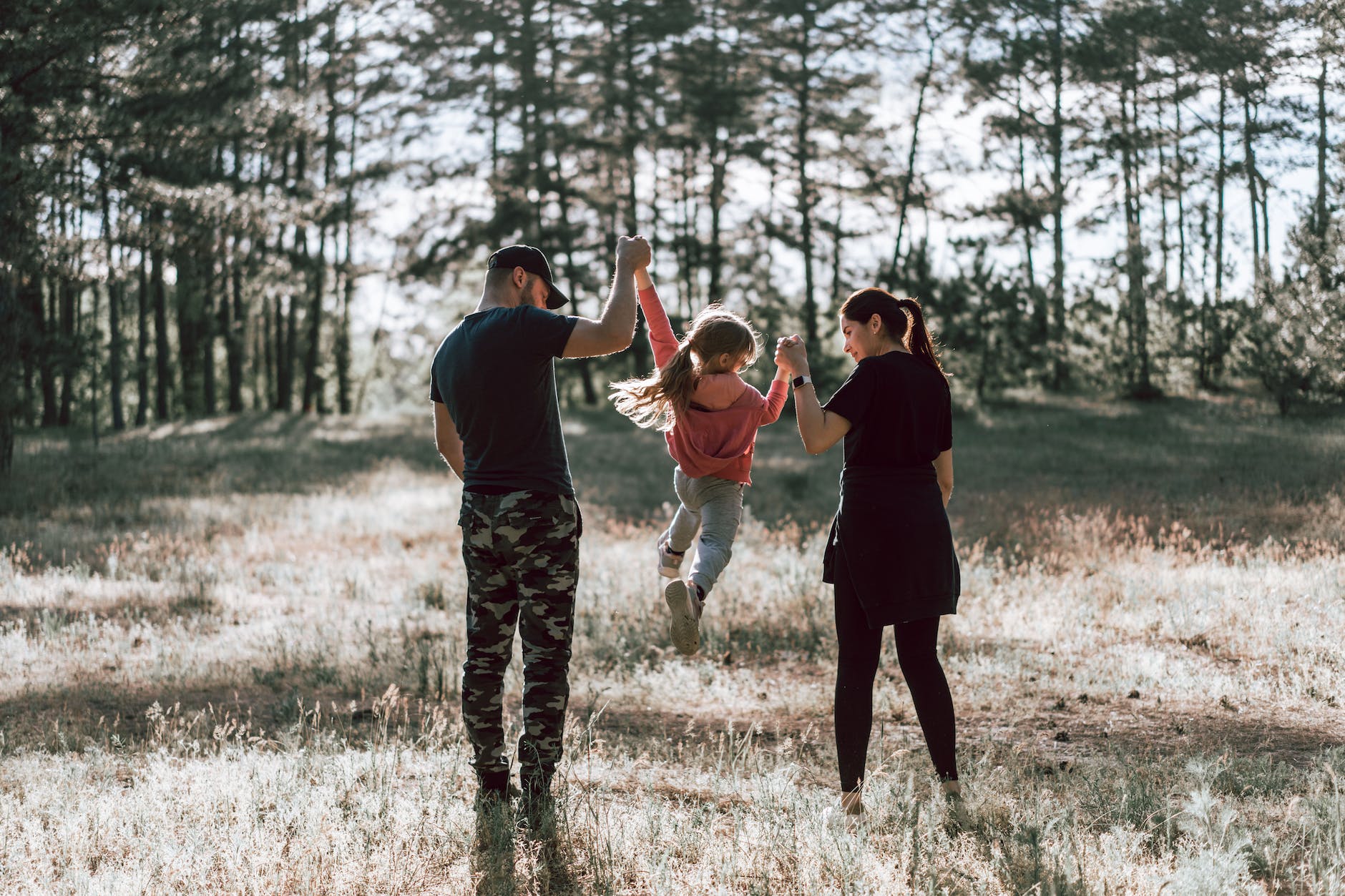
You also are the best advocate for your autistic family member. You have a right to make a decision that’s best for them and your family and stick with that plan. Having a general statement like, “Thank you, we’ll think about that,” gets you out of having to make a rash decision. Besides, holidays are not the time to hash things out. Be okay with not always having to immediately explain yourself and your decisions. It’s your life not theirs.
From a fellow autistic family, I sincerely hope you find strength this holiday season to make decisions or stand stronger than in past years. If past years have been tough, it does not mean you failed. It only means, you’ve learned from experience and are choosing a different path this year.
Blessings, Safety, and PEACE as you navigate the upcoming holiday season!
 Getting My Joy Back